
Research
Our lab studies climate and weather extremes through an interdisciplinary framework that integrates physical climate science, artificial intelligence, and societal applications. We are particularly interested in how long-term climate change reshapes day-to-day extreme weather events, and how improved scientific understanding can support adaptation and resilience.
Extreme Weather in the Changing Climate
Atmospheric rivers (ARs) — "the rivers in the sky" — are long, narrow, transient corridors of intense moisture transport in the atmosphere. They supply essential moisture to terrestrial ecosystems and human water resources, while the landfall of extreme ARs can also bring life-threatening weather.
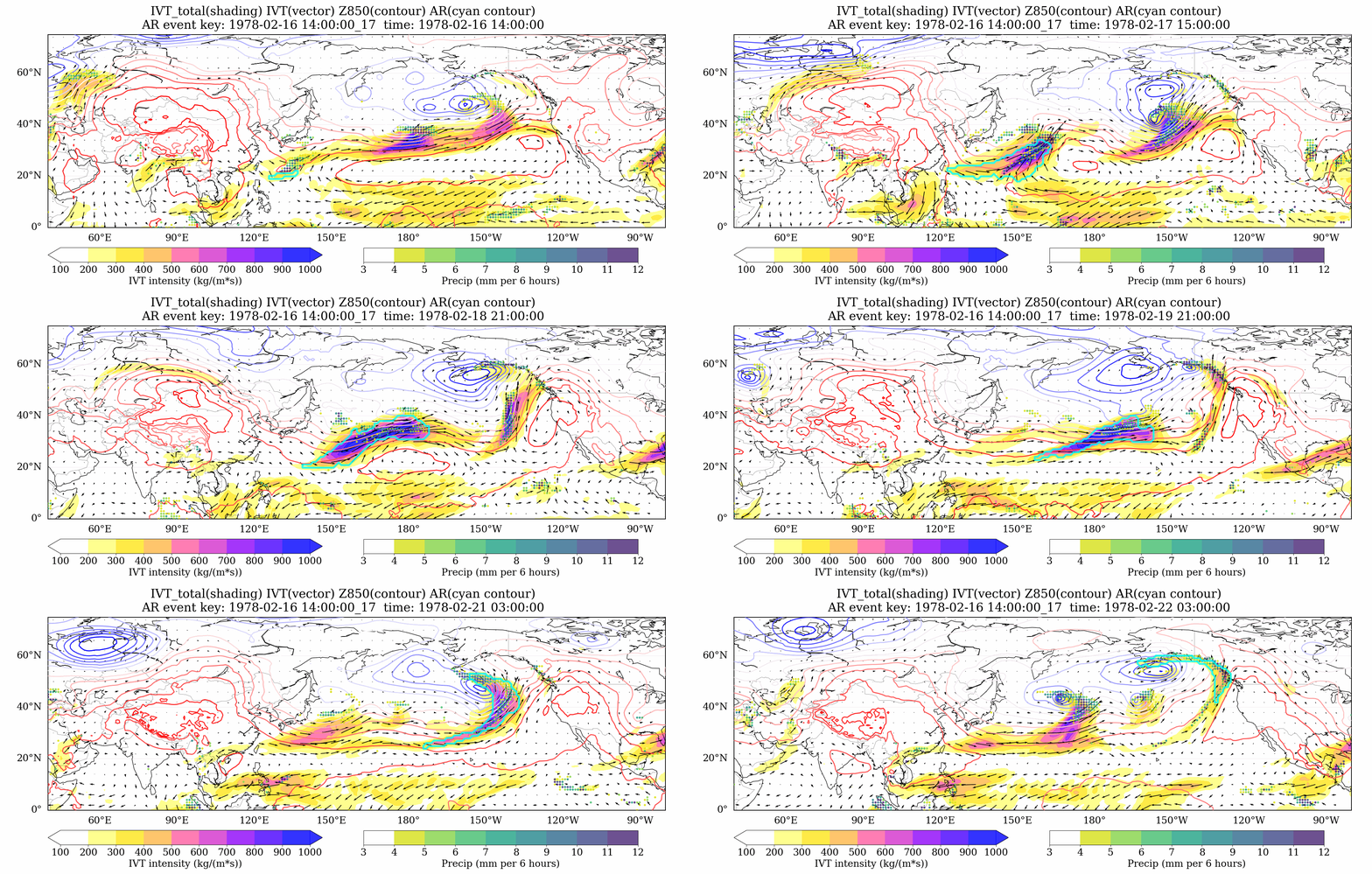
Using ARs as the bridge, we study how large-scale climate variability modulates mid-latitude extreme weather in a warming climate. With machine-learning algorithms, I develop AR detection methods, redefine the annual cycle of East Asian ARs, characterize the diverse propagation behavior of cross-Pacific ARs, and examine whether ARs have become more frequent under ongoing climate change and the underlying mechanisms.
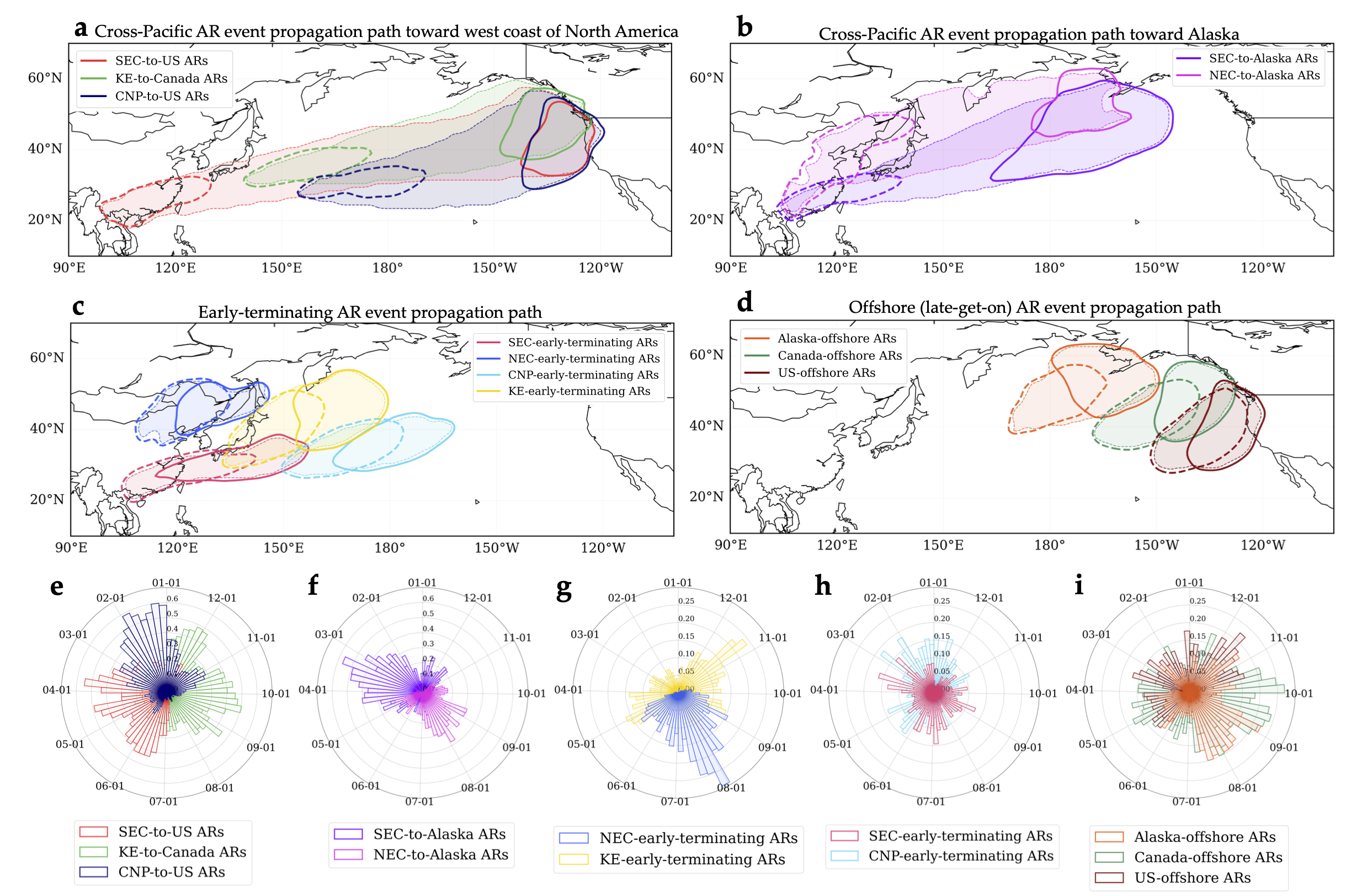
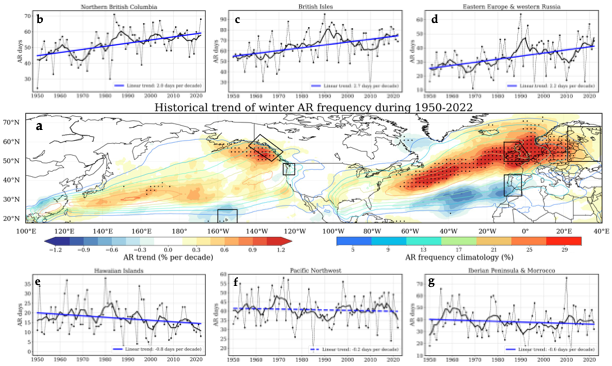
Selected publications: Pan et al. (2025, npj Climate and Atmospheric Science); Pan, Lu & Lall (2024, Communications Earth & Environment); Pan & Lu (2020, Geophysical Research Letters); Pan & Lu (2019, Water Resources Research) → See all publications.
Open data: Northern Hemisphere Atmospheric River Database
A 6-hourly, 1°×1° AR catalog for 1950–2022, built with the Pan–Lu algorithm and released with our npj Climate and Atmospheric Science (2025) paper.
Climate Change and Adaptation
Starting from climate dynamics, we lead interdisciplinary studies of climate impacts in a warming world that provide holistic understanding and practical climate solutions. With global-health collaborators, we explore the overlooked role of tropical oceans in vector-borne disease prediction. With civil-engineering collaborators, we investigate the resilience of bridges to extreme temperatures under global warming.
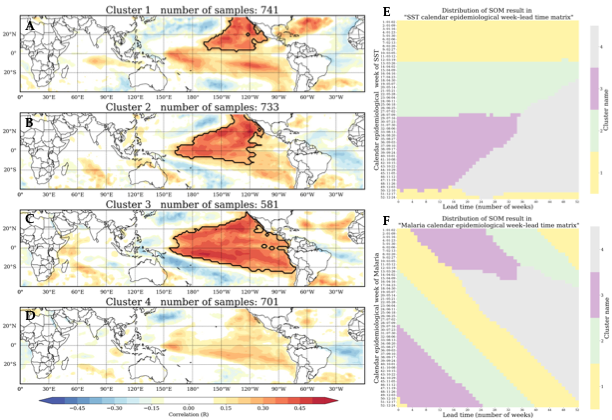
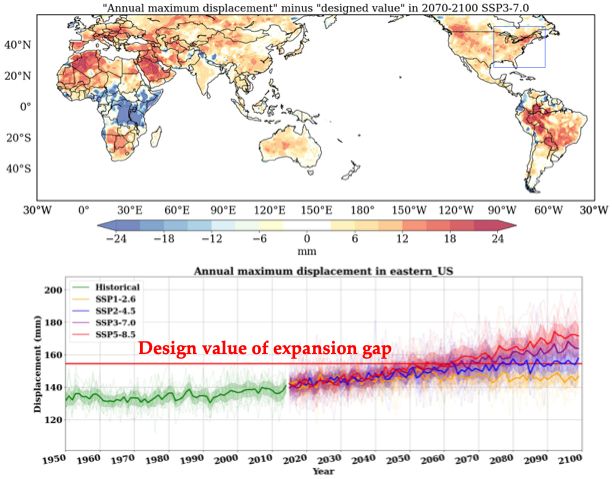
Selected publications: Pan et al. (2026, GeoHealth) on long-lead malaria prediction → See all publications.